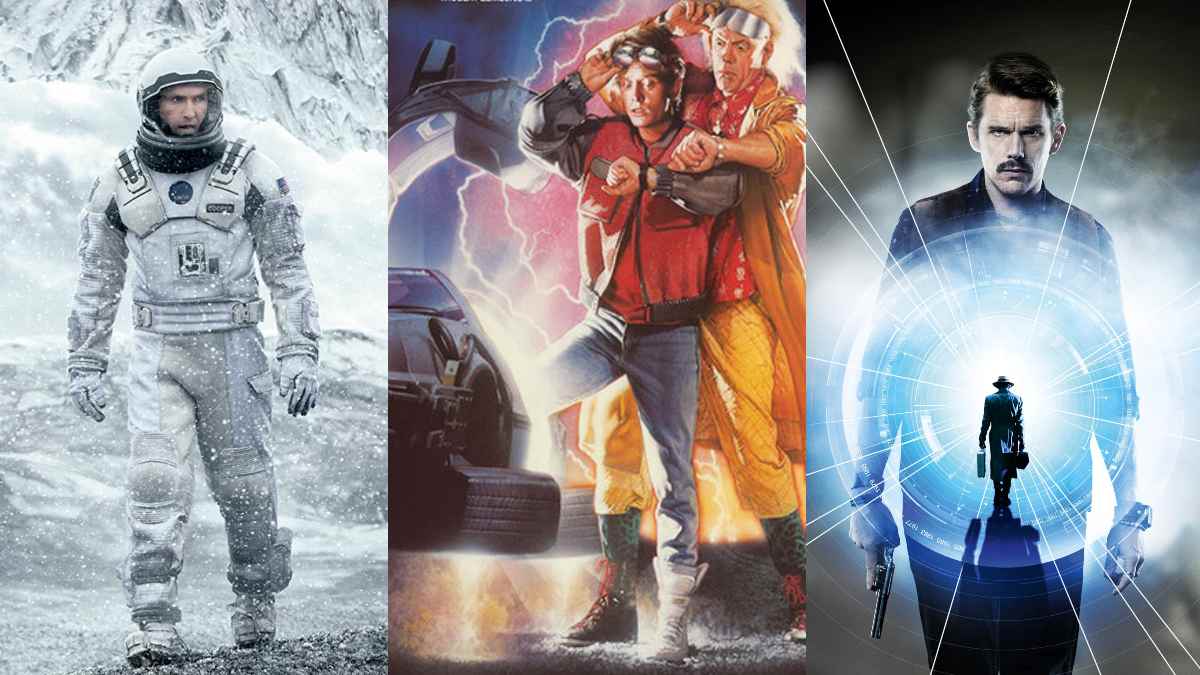

The concept of travel has always fascinated humanity. Whether we journey across continents or through time itself, travel offers a unique window into the unknown. On one hand, we have time travel movies, which let our imagination leap across centuries and realities. On the other, we have the real-world counterpart — the travel agency — guiding millions of people to destinations around the globe. Surprisingly, both worlds share the same essence: discovery, adventure, and the desire to explore what lies beyond the present moment.
This article dives into the captivating connection between time travel movies and travel agencies, exploring how one fuels the imagination and the other turns dreams into experiences.
The Timeless Appeal of Time Travel Movies
Few genres in cinema captivate audiences quite like time travel movies. The idea of bending time, rewriting history, or catching a glimpse of the future taps into a universal human curiosity: What if we could go back or forward in time?
From classics to modern blockbusters, time travel films have explored this question from every possible angle — emotional, scientific, philosophical, and even comedic. They make us question fate, challenge destiny, and reflect on how a single moment can change everything.
Iconic Time Travel Films That Shaped Pop Culture
-
Back to the Future (1985)
The quintessential time travel adventure. Marty McFly and Doc Brown’s DeLorean journey has become a cultural icon, blending humor, science fiction, and heartfelt storytelling. It explores how small actions in the past can alter the future dramatically. -
The Terminator (1984)
A darker take on the concept, The Terminator presents time travel as a desperate mission to save humanity. It delves into paradoxes and the question of whether fate can be changed or only fulfilled. -
Interstellar (2014)
Christopher Nolan’s masterpiece redefines time travel through the lens of physics and emotion. The film’s depiction of time dilation and love transcending dimensions proves that time travel doesn’t just belong to science — it belongs to the human heart. -
Looper (2012)
A futuristic thriller exploring crime and morality through time loops, showing how meeting your future self could alter your destiny in unpredictable ways. -
The Butterfly Effect (2004)
A powerful psychological exploration of chaos theory — how even the smallest change in the past can create massive consequences in the future.
Each of these movies doesn’t just entertain; it transports viewers beyond the limits of reality. Time travel becomes a metaphor for regret, hope, and the human desire to control destiny.
What Time Travel Movies Teach Us About Real Travel
While time travel movies operate in fiction, their themes mirror the very real emotions tied to travel — the longing for change, curiosity about the unknown, and nostalgia for places we’ve left behind.
When you book a trip through a travel agency, you may not be bending time, but you are stepping into a different moment in your own story. Visiting ancient ruins in Greece feels like touching history; exploring Tokyo gives you a glimpse into the future. Travel — like time travel — changes your perspective.
In many ways, travelers today are modern time explorers. Airplanes and technology allow us to move between vastly different eras of culture and tradition within hours. Watching time travel movies might inspire us to visit historical landmarks, futuristic cities, or even film locations that capture the imagination.
The Role of a Travel Agency in Modern Exploration
While movies take us through fictional timelines, travel agencies turn imagination into reality. A travel agency acts as the architect of your journey — handling the complex details of flights, accommodations, itineraries, and local experiences.
Despite the rise of online booking platforms, traditional and digital travel agencies continue to thrive because they offer expertise, customization, and peace of mind. In a world overwhelmed by options, a travel agency simplifies decision-making and adds a personal touch.
Types of Travel Agencies and Their Unique Roles
-
Retail Travel Agencies
These agencies deal directly with customers, offering vacation packages, flight bookings, hotel deals, and guided tours. They are the classic one-stop shops for leisure travelers. -
Corporate Travel Agencies
Focused on business travel, these agencies handle flight management, meeting schedules, and travel budgets for companies. -
Online Travel Agencies (OTAs)
Platforms like Expedia, Booking.com, and MakeMyTrip allow users to self-book flights, hotels, and cars with just a few clicks. Modern travel agencies often combine online tools with human consultants for hybrid service. -
Specialized Travel Agencies
These agencies focus on niche travel — adventure, eco-tourism, luxury, or destination weddings. They bring expertise and curated experiences that generic platforms cannot match. -
Destination Management Companies (DMCs)
These are local experts who work on the ground, providing logistics and unique local experiences to groups visiting their region.
How a Travel Agency Enhances the Travel Experience
A good travel agency does more than plan a trip — it personalizes it. Here’s how:
-
Expert Guidance: Agents have firsthand knowledge of destinations, helping travelers avoid common pitfalls.
-
Exclusive Deals: Many agencies partner with airlines and hotels to offer discounts not available publicly.
-
Time-Saving: Instead of spending hours comparing websites, travelers receive curated options.
-
24/7 Assistance: In case of flight changes or emergencies, a travel agency provides immediate help.
-
Tailor-Made Experiences: Agencies design trips based on interests — culture, adventure, relaxation, or luxury.
The best agencies operate like travel storytellers, shaping your journey as a cinematic experience — with anticipation, discovery, and emotion at every stage.
Connecting Time Travel Movies with the Modern Travel Mindset
Both time travel movies and travel agencies share a deep-rooted philosophy — exploration beyond comfort zones.
-
Time Travel Movies make us think about what could be.
-
Travel Agencies help us experience what is possible now.
For instance, watching Midnight in Paris — where the protagonist meets famous artists of the past — can inspire someone to visit Paris to explore the same cobblestone streets and art cafés. Similarly, Interstellar might motivate travelers to stargaze in the deserts of Chile or Iceland, where the skies feel infinite.
Movies transport the imagination; travel agencies transport the body. Both are portals — one fictional, one physical — to worlds beyond the ordinary.
How Travel Agencies Use Cinema to Inspire Journeys
Smart travel agencies often draw inspiration from time travel movies and other cinematic works to promote travel destinations. This strategy is known as film tourism — where travelers visit real locations from movies.
Examples include:
-
Scotland and “Outlander” – Fans visit castles and landscapes that mirror the show’s historical time travel theme.
-
New Zealand and “The Lord of the Rings” – Although not time travel, the epic scope attracts millions of fantasy fans.
-
Greece and “Mamma Mia” – Agencies organize movie-themed tours through the Aegean islands.
Travel agencies capitalize on this emotion-driven travel trend, creating itineraries where movie lovers can “walk through” the films they adore.
The Emotional Connection Between Movies and Travel
Both cinema and travel share the power of transformation. A great time travel movie doesn’t just tell a story; it makes viewers question their choices, appreciate the present, and yearn for adventure. Similarly, a meaningful journey arranged by a travel agency changes how we see the world and ourselves.
Every trip has its own narrative — a beginning, climax, and resolution — just like a movie. You might not own a time machine, but you can revisit the past through ancient cities, live in the present through new friendships, and shape your future through the lessons you bring home.
Choosing the Right Travel Agency
If you’re ready to turn imagination into reality, selecting the right travel agency matters. Here are a few tips:
-
Check Credentials: Choose licensed, reputed agencies with positive reviews.
-
Discuss Interests: Share what kind of traveler you are — relaxed, adventurous, or cultural — so the agency tailors accordingly.
-
Compare Packages: Don’t just look for the cheapest option; look for balance between value and quality.
-
Ask About Flexibility: Ensure you can modify plans easily in case of emergencies.
-
Leverage Loyalty Programs: Many agencies offer reward points or discounts for repeat travelers.
A well-chosen agency can make your trip smooth, stress-free, and deeply personal.
The Future: Technology, Virtual Reality, and Time-Like Travel
With virtual reality and digital simulations advancing rapidly, travelers today can experience destinations before even boarding a plane. Some agencies use VR tools to let clients “preview” destinations — walking virtually through hotel rooms or exploring monuments in 360°.
In many ways, this technology brings us closer to the dream of time travel. Imagine standing in a VR recreation of ancient Rome or seeing how the Pyramids looked 3,000 years ago before visiting in real life. Technology bridges imagination and reality, just as time travel movies bridge the past and future.
Final Thoughts
Both time travel movies and travel agencies celebrate humanity’s greatest passion — exploration. Time travel films remind us of the endless possibilities of existence, while travel agencies remind us that some dreams can be lived right now. One fuels the imagination; the other fulfills it.
When you watch a time travel movie, you explore realities beyond your reach. When you step into a travel agency, you take the first step toward creating your own story — not through a time machine, but through experience, curiosity, and courage.